If you’re wondering how to Remove window tint house windows, this guide will walk you through every step. Window tint can make your home more private, block heat, and protect furniture from fading. But over time, it can bubble, peel, or lose its effectiveness. Damaged film can make windows look worn out and reduce clarity. Knowing how to take off tinted windows properly ensures your glass stays safe and ready for a new treatment. Whether you want clearer views, a style change, or better performance, proper removal keeps your windows in good condition for years to come.

Understanding How Window Tints Work in Homes
Window tint is a thin film applied to glass surfaces for many reasons: privacy, glare reduction, UV protection, and energy efficiency. Common types include carbon fiber window tint, dyed film, ceramic tint, and metalized film. Some homeowners even try tint home windows DIY for a budget upgrade. Each type has its strengths: ceramic blocks the most heat, dyed films are affordable, and carbon tints maintain color better over time. But all tints eventually wear out, peel, or fade, making removing tint from house windows an important skill for keeping your home looking fresh.
Common Signs It’s Time to Remove Old Window Tint
Old tint can show wear in several ways. Peeling off window tint is the most obvious edges start lifting and dirt collects under the film. Bubbling happens when heat causes the adhesive to loosen, creating air pockets. Fading or purple discoloration often appears in sun film on windows after years of UV exposure. Scratches or cloudy patches can block your view. If the tint is cracked or the window film is peeling off, it’s time to replace it. Any of these issues can make your home look less appealing and reduce the benefits of tinted glass.
Tools and Materials You’ll Need for Tint Removal
Before starting, gather all the tools you’ll need.
Razor blade or plastic scraper – For lifting and peeling tint without damaging glass
Spray bottle – Filled with soapy water or ammonia-free cleaner to soften adhesive
Microfiber cloths – For wiping and polishing without scratching
Window tint removal with steamer – Optional for loosening stubborn adhesive with heat
Adhesive remover – Such as Goo Gone, for dissolving leftover glue
Protective gloves – To keep hands safe from chemicals and sharp tools
Painter’s tape – For protecting window frames and nearby surfaces
Bucket with warm water – For rinsing tools and cleaning glass after removal

Preparing Windows for Safe Film Removal
Preparation prevents damage. Start by cleaning the glass to remove dust and debris. Check for cracks or chips applying heat or scraping could make them worse. If you’re working near window frames, cover them with painter’s tape or cloth to avoid scratching. For large projects, consider removing screens for easier access. If you’re attempting house window tinting do it yourself or tint windows removal for the first time, test a small corner before working on the whole surface. This helps you understand how the adhesive will respond to heat or cleaning solutions.
Heat-Based Methods: Using a Hairdryer or Heat Gun
One of the easiest ways to take off tinted windows is with heat. A hairdryer or heat gun loosens the adhesive, making it easier to peel the film in one piece. Hold the tool a few inches from the glass, moving it slowly to avoid overheating any area. Once the adhesive softens, use a scraper to lift a corner and peel back gently. This method works for tinting residential windows and even for tint removal from car windows. Always work in small sections to keep the adhesive warm and flexible.
Steam Cleaning Method for Removing Window Film
The steam tint removal method is another effective approach, especially for stubborn film. A clothing steamer or dedicated window steamer works well. Direct steam onto the glass until the film feels warm and pliable. Start peeling from one corner while continuing to steam underneath the lifted section. This method is great for removing tinted glass film without harsh chemicals. Steaming is also gentle enough for coated or delicate glass, making it a safe choice for removing tint from house windows without risking scratches or damage.
Soapy Water and Adhesive Remover Techniques
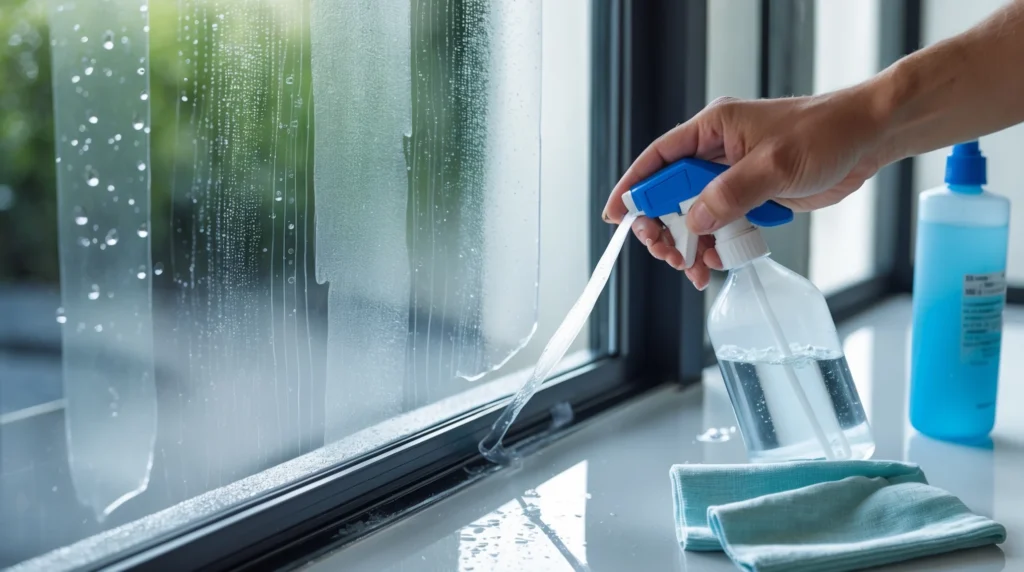
If you don’t have heat tools, soapy water can help with how to get window film off. Spray the solution generously over the tint, let it soak for several minutes, then scrape gently. For adhesive that won’t budge, apply an adhesive remover, wait for it to penetrate, and wipe away the residue. Products made for removing film from windows break down glue without harming glass. This approach is useful for both how to remove solar film from house windows and for smaller jobs like remove window film from cabinets or interior doors.
Removing Tint from Delicate or Coated Windows
Some glass has coatings that make it more fragile. If you’re working on glass tinting home windows with special finishes, skip sharp blades and high heat. Instead, use vinegar or ammonia-free cleaners to soften adhesive, then peel slowly. For how to remove UV window film from these surfaces, patience is key. If you’re unsure about the glass type, consult a pro like Goldenstatetint to avoid damage. They can handle window tints for home and removing tinted window film from a car with the right tools for each surface.
Professional Tint Removal Services in Las Vegas, NV
Sometimes DIY isn’t the best option, especially for large homes or layered films. Professional services like Goldenstatetint have experience with tinting windows for houses and removing tinted windows of all types. In Las Vegas, heat and sun can make adhesives extra stubborn. A pro can remove tint cleanly without scratching glass or leaving residue. They also offer advice on whether to replace tinted windows or install new options like ceramic tint or carbon fiber window tint for better performance and longer lifespan.
Keeping Windows Clear and Protected After Tint Removal
Once your windows are clean, keep them that way. Use gentle glass cleaner and microfiber cloths to avoid scratching. If you’re not reapplying tint right away, consider UV protective sprays to reduce fading of furniture and flooring. For homeowners who enjoyed the benefits of tinted glass, diy tinted windows house or hiring a pro to apply modern films can restore privacy, reduce glare, and block heat. Whether you choose to tint your house again or keep them clear, regular cleaning and inspection will extend your windows’ life.
Security, comfort, and style all start with the right glass treatment. If you’re ready to upgrade after removal, explore new residential films that block heat, filter UV rays, and improve privacy. Contact our team for expert advice and flawless installation.